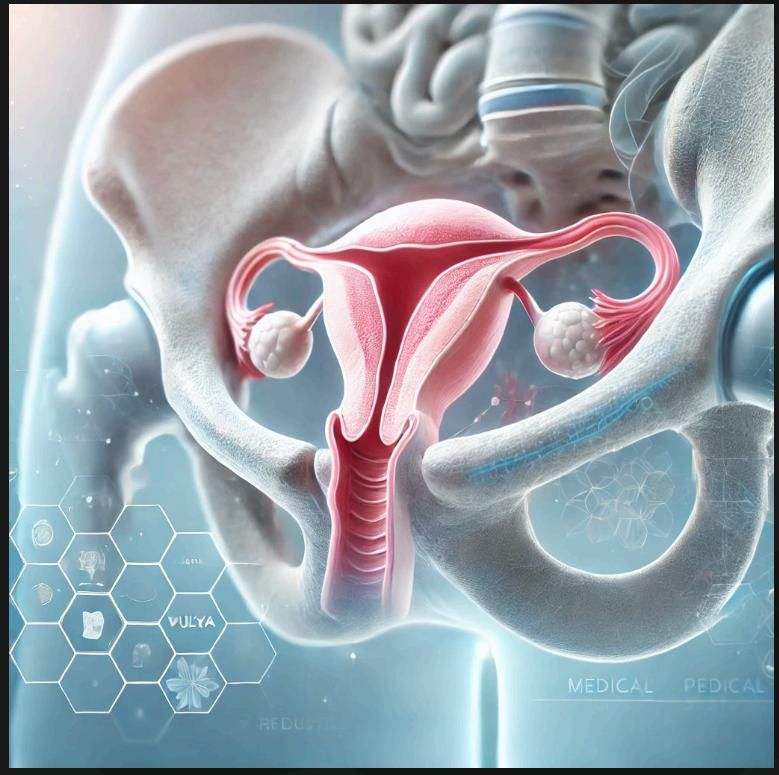
Understanding Pelvic Pain: Causes, Diagnosis, and Comprehensive Treatment
Introduction: Navigating the Complexities of Pelvic Pain
Pelvic pain, a common issue faced by women, can arise from various causes. This comprehensive guide aims to explore the intricacies of pelvic pain, from its potential origins to the sophisticated diagnostic methods and personalized treatment options, with a focus on Dr. Hema Jonnalagadda's expert approach at Advocare Montgomery Gynecology.
Understanding the Causes of Pelvic Pain
Pelvic pain is a multifaceted issue with various underlying causes, each requiring a unique approach to diagnosis and treatment. Dr. Hema Jonnalagadda at Advocare Montgomery Gynecology specializes in identifying and treating these diverse causes with a patient-centric approach

Menstrual Cramps (Dysmenorrhea)
● Overview: A common cause of pelvic pain, dysmenorrhea is characterized by cramping or throbbing pain in the lower abdomen, typically linked to the menstrual cycle.
● Management: Treatment often includes nonsteroidal anti-inflammatory drugs (NSAIDs) and hormonal contraceptives to regulate or reduce menstrual flow. Dr. Jonnalagadda may also recommend lifestyle changes such as regular exercise and dietary modifications.
Endometriosis
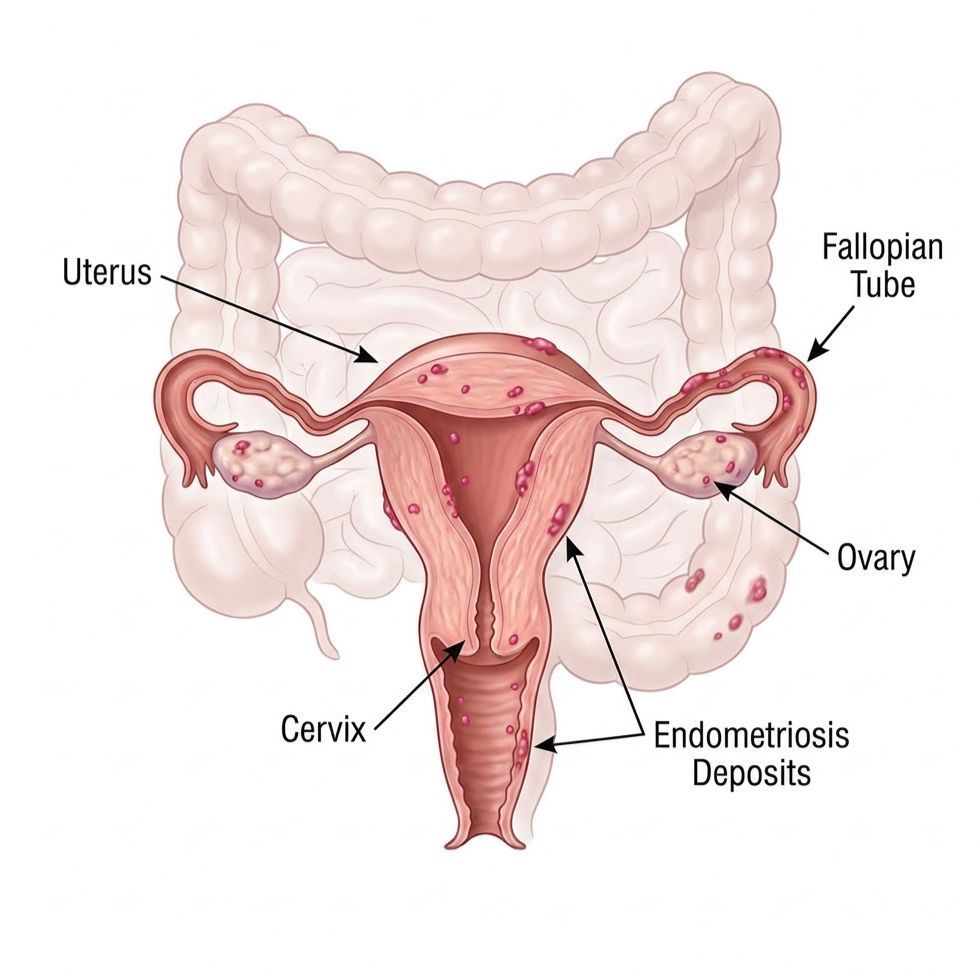
● Overview: This condition involves the growth of uterine lining tissue outside the uterus. It can cause significant pain, especially during menstruation, and can affect fertility.
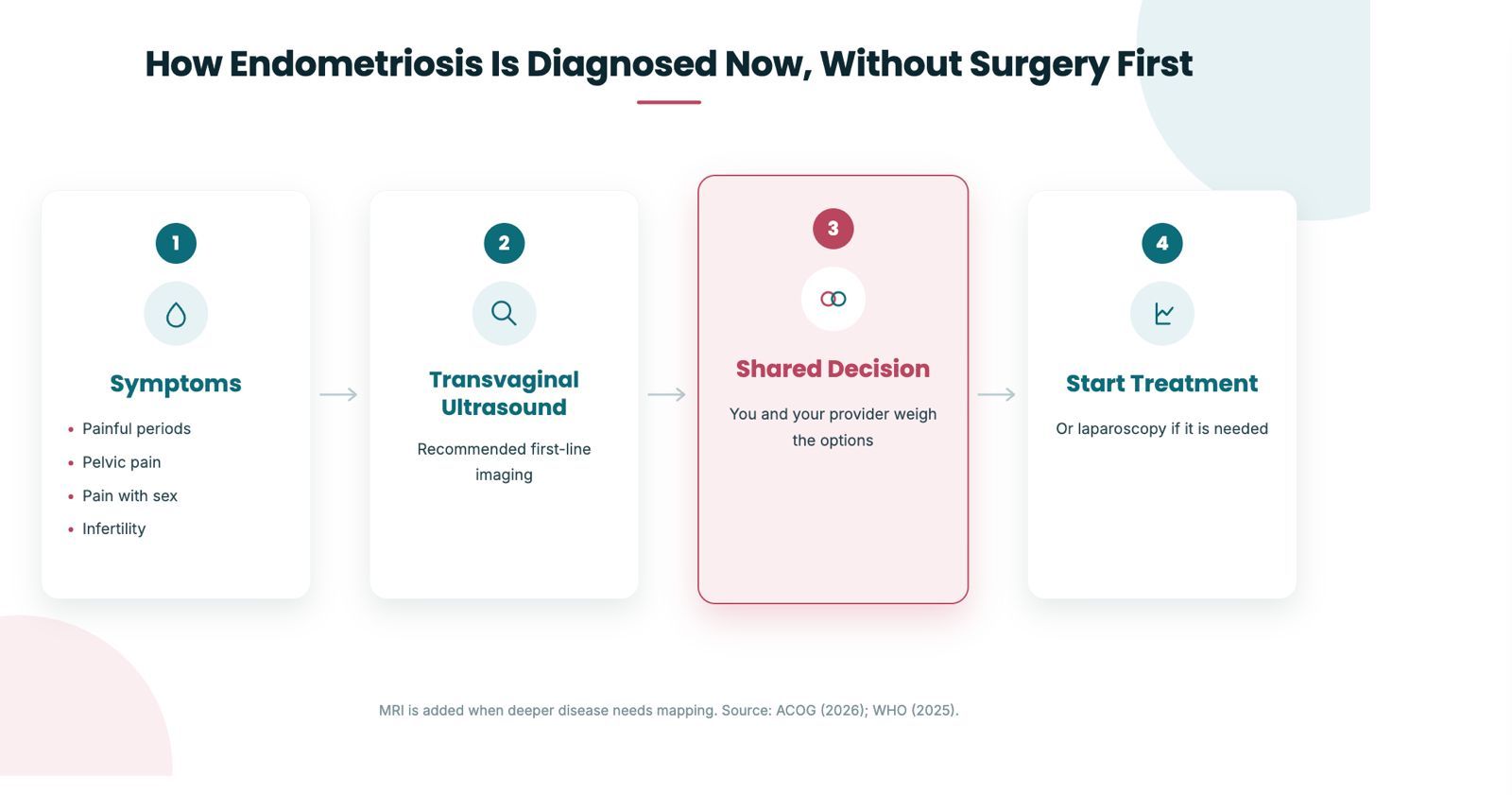
● Diagnosis and Treatment: Diagnosis may involve imaging tests like ultrasounds or MRIs, and in some cases, laparoscopy. Treatment options include hormonal therapies, pain relief medications, and in more severe cases, surgery to remove the endometrial tissue.
Ovarian Cysts
● Overview: Ovarian cysts are fluid-filled sacs that develop on the ovaries. While often asymptomatic, they can cause bloating, swelling, and sharp pain if they rupture.
● Monitoring and Management: Regular monitoring through ultrasounds is crucial. Most cysts resolve on their own, but if they become problematic, hormonal treatments or surgical options might be considered.
Fibroids
● Overview: Fibroids are benign tumors in the uterus that can cause heavy menstrual bleeding and a persistent sense of pelvic fullness or pain.
● Treatment Options: Treatment depends on the size and location of the fibroids and may include medication to regulate menstrual cycles and reduce bleeding, or minimally invasive surgical procedures.
Pelvic Inflammatory Disease (PID)
● Overview: PID is often a complication of sexually transmitted infections and can lead to severe pelvic pain and fever.
● Treatment: Early treatment is critical and usually involves a course of antibiotics. Dr. Jonnalagadda emphasizes the importance of early diagnosis and comprehensive treatment to prevent long-term complications.
Gastrointestinal Disorders
● Impact on Pelvic Pain: Conditions like irritable bowel syndrome (IBS) can cause symptoms that mimic or contribute to pelvic pain.
● Collaborative Care: In such cases, Dr. Jonnalagadda may collaborate with gastroenterologists to provide an integrated treatment approach.
Urinary Tract Infections (UTIs)
● Symptoms: UTIs can cause lower abdominal pain and discomfort during urination.
● Treatment: Typically involves a course of antibiotics, with a focus on prevention through lifestyle and dietary changes.
Diagnosing Pelvic Pain: A Comprehensive Approach
Dr. Jonnalagadda adopts a thorough approach that begins with an in-depth patient history and physical examination. Diagnostic tests may include ultrasounds, MRI or CT scans, laparoscopy, urinalysis, and blood tests. These help in pinpointing the exact cause of the pelvic pain.
Treatment Options: Tailored to Each Patient
Treatment plans at Advocare Montgomery Gynecology are personalized. They range from medications and physical therapy to minimally invasive surgery. Lifestyle modifications and alternative therapies are also considered to provide holistic care.
Dr. Jonnalagadda's Expert Approach to Pelvic Pain
Dr. Hema Jonnalagadda’s expertise in women's health is particularly evident in her approach to managing pelvic pain. At Advocare Montgomery Gynecology, she combines her deep understanding of gynecological health with a commitment to the latest medical advancements, ensuring that each patient receives the most effective, personalized care.
Personalized Treatment Plans
● Individual Assessment: Each patient’s experience with pelvic pain is unique. Dr. Jonnalagadda begins with a comprehensive evaluation, considering not just the physical symptoms but also the patient’s overall health, lifestyle, and emotional wellbeing.
● Collaborative Care: Recognizing that pelvic pain can have multiple causes, she works in concert with other specialists as needed, ensuring a holistic approach to treatment.
● Patient Involvement: Patients are active participants in their care. Dr. Jonnalagadda believes in empowering patients through education, helping them understand their condition and the treatment options available.

Utilizing Advanced Medical Technology
● Diagnostic Precision: Dr. Jonnalagadda employs state-of-the-art diagnostic tools, including advanced imaging and minimally invasive techniques, to accurately diagnose the cause of pelvic pain.
● Innovative Treatments: She stays abreast of the latest developments in gynecological treatment, offering patients access to the most advanced therapeutic options, from new pharmacological approaches to cutting-edge surgical techniques.
Emphasis on Comprehensive Care
● Addressing Emotional Wellbeing: Dr. Jonnalagadda and her team recognize that pelvic pain is not just a physical issue. They provide support for the emotional aspects of dealing with chronic pain, offering resources such as counseling and support groups.
● Long-term Management: Beyond treating immediate symptoms, she focuses on long-term management strategies to improve her patients' overall quality of life.
Conclusion: Compassionate Care for Pelvic Pain
The team at Advocare Montgomery Gynecology, led by Dr. Jonnalagadda, is dedicated to treating more than just the physical symptoms of pelvic pain. They aim to provide comprehensive care that addresses the full spectrum of a patient's needs, helping women find relief and improve their quality of life.
Call Us
If you're experiencing pelvic pain and seeking expert, compassionate care, reach out to Dr. Hema Jonnalagadda at Advocare Montgomery Gynecology.
Schedule an appointment today and embark on a journey toward better health and comfort. Dr. Jonnalagadda and her team are ready to provide the care and support you need to manage your pelvic pain effectively.
A Note from Dr. Jonnalagadda
"Every woman I see with menopausal symptoms has a unique hormonal fingerprint, a unique health history, and a unique life. My job is not to hand you a one-size-fits-all prescription - it's to partner with you to build a treatment plan that fits your body, your goals, and your peace of mind. This article reflects how I think about HRT in my practice today."
If you've Googled "is HRT safe" at midnight while lying awake with your third hot flash of the evening, you're in good company. Millions of American women are navigating perimenopause and menopause with outdated information - much of it born from a single controversial study published over two decades ago that was widely misinterpreted and has since been substantially revised.
The good news: the science has caught up. The medical consensus in 2026 - from the Menopause Society, ACOG (American College of Obstetricians and Gynecologists), and leading research institutions worldwide - is more reassuring than it's been in years. For most healthy women who start treatment at the right time, HRT is not only safe - it may be the single most effective intervention for both symptom relief and long-term health preservation.
This guide is written by Dr. Hema Jonnalagadda, MD, board-certified gynecologist, founding physician of Advocare Montgomery Gynecology in Plymouth Meeting, Pennsylvania, and member of the Menopause Society. It covers everything you need to make an informed, confident decision - in language your body (and your schedule) can actually use.
1. What Is Hormone Replacement Therapy?
Hormone Replacement Therapy - also called Menopausal Hormone Therapy (MHT) in current clinical literature - is the medical replenishment of hormones that your body gradually stops producing as you approach and enter menopause. Primarily, this means estrogen, which is the dominant female sex hormone, and progesterone (or its synthetic counterpart, progestin), which protects the uterine lining from overgrowth caused by estrogen alone.
Some women also benefit from the addition of low-dose testosterone, which plays a largely unappreciated role in female libido, muscle mass, energy, and cognitive sharpness.
HRT comes in many forms: patches, gels, pills, sprays, vaginal rings, pellets, and creams. The delivery method matters - and choosing the right one is part of the personalized consultation that Dr. Jonnalagadda provides at Montgomery Gynecology.
2. The Science of Menopause & Hormonal Decline
Menopause is defined as 12 consecutive months without a menstrual period. The average American woman reaches menopause at age 51, though the transition - called perimenopause - can begin 8–10 years earlier, often in the early-to-mid 40s.
During perimenopause, your ovaries begin producing erratic, declining levels of estrogen and progesterone. This hormonal volatility - not the absence of hormones, but their unpredictability - is responsible for many of the most disruptive symptoms: irregular periods, mood swings, brain fog, and sleep disruption.
After menopause, estrogen levels drop to about one-tenth of their premenopausal levels. This isn't merely a reproductive shift - estrogen has receptors throughout the brain, heart, bones, skin, gut, bladder, and vaginal tissue. Its sustained decline has measurable effects on all of these systems over time.
What Estrogen Actually Does in Your Body
Most women are surprised to learn how far estrogen's influence extends beyond reproduction:
- Brain & Cognition: Supports neurotransmitter production, memory consolidation, and neuroprotection.
- Cardiovascular: Keeps blood vessels flexible and helps maintain healthy cholesterol ratios.
- Bone Density: Inhibits bone-resorbing cells; its decline is the #1 driver of postmenopausal osteoporosis.
- Vaginal & Urinary: Maintains mucosal integrity and prevents genitourinary syndrome of menopause (GSM).
- Sleep: Regulates thermostat function and supports deep, restorative sleep cycles.
- Skin & Collagen: Women lose up to 30% of skin collagen in the first 5 years after menopause.
3. Symptoms That Signal You May Need HRT
The decision to consider HRT begins with your symptoms - their severity, frequency, and impact on your daily life. At Montgomery Gynecology, Dr. Jonnalagadda uses a validated symptom-scoring tool at your first visit so that treatment decisions are based on objective data, not guesswork.
Common symptoms that drive women to seek HRT consultation include:
- Vasomotor symptoms: hot flashes, night sweats (affect 75–80% of menopausal women)
- Sleep disruption: difficulty falling or staying asleep, non-restorative sleep
- Genitourinary syndrome of menopause (GSM): vaginal dryness, painful intercourse, recurrent UTIs, urinary urgency
- Mood changes: irritability, anxiety, low mood, emotional volatility
- Cognitive symptoms: brain fog, difficulty concentrating, word-finding trouble
- Musculoskeletal: joint aches, muscle stiffness, fatigue
- Sexual dysfunction: decreased libido, difficulty with arousal or orgasm
- Changes in body composition: weight gain around the abdomen, loss of muscle tone
Important
These symptoms are common - but they are never "just menopause" that you have to endure. Effective, individualized treatment exists. You deserve to feel well at every stage of life, not merely survive it.
4. Types of HRT: Conventional vs. FDA-Approved Bioidentical
One of the most frequent questions Dr. Jonnalagadda receives is: "What's the difference between regular hormones and bioidentical hormones?" The answer requires separating marketing language from medical science.
FDA-Approved Bioidentical Hormones (Recommended)
Bioidentical means the hormone molecule is structurally identical to what your ovaries produce. FDA-approved bioidentical options include 17β-estradiol (patches, gels, sprays, vaginal rings) and micronized progesterone (Prometrium®). These have been rigorously tested for safety and efficacy and are covered by most insurance plans.
At Montgomery Gynecology, Dr. Jonnalagadda prescribes FDA-approved bioidentical hormone therapies in line with the newest ACOG and Menopause Society guidelines - giving patients the best of both worlds: hormone molecules that match the body's own, with the safety data of regulated pharmaceuticals.
Compounded "Custom" Bioidentical Hormones (Use Caution)
Compounded hormone pellets or creams are sometimes marketed as "natural" alternatives. While compounding pharmacies serve a legitimate role for patients with specific needs, compounded hormones lack FDA oversight - meaning their potency, purity, and sterility are not guaranteed. Neither the Menopause Society nor ACOG currently recommends compounded hormones over FDA-approved options for most women.
| Factor | FDA-Approved Bioidentical HRT | Synthetic Progestins | Compounded Hormones |
|---|---|---|---|
| Chemical structure matches natural hormones | ✓ Yes | ✗ No (modified) | ✓ Yes |
| FDA safety oversight | ✓ Full | ✓ Full | ✗ None |
| Clot risk (patch/gel forms) | ✓ Minimal (transdermal) | ⚠ Higher (oral) | ⚠ Variable |
| Covered by most insurance | ✓ Yes | ✓ Yes | ✗ Usually no |
| Dr. Jonnalagadda's approac | ✓ First-line recommended | ⚠ Case-by-case | ⚠ Selected cases only |
5. Evidence-Based Benefits of HRT
Proven Benefits
- Eliminates or dramatically reduces hot flashes & night sweats (most effective treatment available)
- Restores sleep quality and reduces nighttime awakenings
- Prevents bone loss; reduces fracture risk by up to 35%
- Cardioprotective when started within the timing window (the "timing hypothesis")
- Supports memory and may reduce dementia risk when initiated near menopause
- Resolves GSM (vaginal dryness, painful sex, urinary urgency)
- Improves mood, reduces anxiety, and stabilizes emotional lability
- Preserves muscle mass and reduces abdominal fat accumulation
- Slows skin collagen loss and maintains elasticity
- Reduces risk of type 2 diabetes in menopausal women
Nuanced Risks
- Small increase in breast cancer risk with combined estrogen-progestogen (roughly equivalent to drinking 1 glass of wine/day)
- Slight increased clot risk with oral estrogen (transdermal routes largely eliminate this)
- Women with history of ER+ breast cancer require individualized evaluation
- Benefits are greatest when started within 10 years of menopause onset
- Very rare: slightly increased gallbladder disease risk with oral estrogen
6. Understanding the Real Risks (And What the WHI Study Got Wrong)
In 2002, the Women's Health Initiative (WHI) published findings linking HRT to increased breast cancer, heart disease, and stroke - and the medical world reacted with alarm. HRT prescriptions dropped by nearly 80% almost overnight. Millions of women suffered through menopause without treatment for decades.
Here is what subsequent analysis revealed about the WHI's significant limitations:
- The average participant was 63 years old - over a decade past menopause - not the typical newly menopausal woman seeking treatment.
- The study used oral conjugated equine estrogen combined with synthetic progestin (medroxyprogesterone acetate) - not the transdermal bioidentical hormones used today.
- Many participants had pre-existing cardiovascular risk factors, making the heart-disease finding not applicable to healthy younger women.
- When the data was re-analyzed by age group, women aged 50–59 showed reduced all-cause mortality, reduced heart disease, and reduced osteoporosis fractures - with no significant increase in breast cancer for estrogen-only users.
"For healthy women under 60 or within 10 years of menopause, the benefits of hormone therapy outweigh the risks. This has been the consistent message of the Menopause Society and ACOG since their joint guidelines were last updated."
- Consistent with 2022–2025 Menopause Society & ACOG Clinical Guidelines
7. The Critical Timing Window for HRT
Perhaps the most important - and most underappreciated - factor in HRT outcomes is when you start. Researchers call this the "Window of Opportunity" or the Timing Hypothesis.
Stage 1 - Perimenopause (Early 40s–51): Optimal Window Opens
Hormone fluctuations begin. Starting low-dose HRT here can smooth the transition, protect cardiovascular health, and preserve bone density before significant loss occurs. Many women in this phase respond best.
Stage 2 - Within 10 Years of Menopause / Before Age 60: Prime Window
Blood vessels, brain tissue, and bone cells are still highly responsive to estrogen. Cardioprotective and neuroprotective effects are most pronounced in this window. This is the sweet spot for most women.
Stage 3 - Age 60–65: Proceed with Careful Individualization
Benefits may still outweigh risks for many women - especially for bone protection and quality of life. Requires thorough cardiovascular risk assessment. Dr. Jonnalagadda evaluates each patient individually.
Stage 4 - After Age 65 / More Than 10 Years Post-Menopause: Risk-Benefit Shift
Initiating systemic HRT for the first time is generally not recommended at this stage due to increased cardiovascular and clot risk. Local vaginal estrogen remains safe and beneficial at any age for GSM symptoms.
Key Takeaway
If you're in perimenopause or just post-menopause and are having symptoms, now is the ideal time to schedule a consultation - not in a few years. The window is real, and starting earlier generally leads to better outcomes.
8. Who Is a Good Candidate? Who Should Avoid It?
Generally Good Candidates for HRT
- Women under 60 or within 10 years of menopause with bothersome symptoms
- Women with premature ovarian insufficiency (POI) or surgical menopause under 45
- Women at elevated risk for osteoporosis or osteoporotic fractures
- Women with genitourinary syndrome of menopause (GSM) - even older women
- Women whose mood, sleep, or cognitive function is significantly impacted by hormonal changes
Situations Requiring Extra Caution or Alternatives
- Personal history of estrogen receptor-positive (ER+) breast cancer
- Active or recent blood clots (DVT/PE) - though transdermal routes significantly reduce this risk
- Unexplained vaginal bleeding (must be evaluated first)
- Active liver disease
- Untreated severe hypertension
Not Sure Where You Fall?
The only way to know if HRT is right for you is a thorough consultation with a menopause-trained gynecologist. Dr. Jonnalagadda reviews your full medical history, family history, current symptoms, and laboratory results before making any recommendation.
9. Testosterone Therapy for Women: The Overlooked Hormone
Most discussions of female HRT focus on estrogen and progesterone - but testosterone deserves attention too. Women produce testosterone in their ovaries and adrenal glands, and levels decline steadily from the 30s onward, reaching their lowest point after menopause.
Low testosterone in women is associated with:
- Significantly reduced sexual desire and arousal (hypoactive sexual desire disorder, HSDD)
- Fatigue and reduced sense of vitality
- Muscle loss and difficulty maintaining strength
- Cognitive dulling - particularly motivation and mental drive
Dr. Jonnalagadda evaluates testosterone levels as part of a complete hormonal workup and may recommend low-dose testosterone therapy - typically via cream or gel - for women with documented deficiency and appropriate symptoms. This is an area where individualized, evidence-informed care makes a meaningful difference in quality of life.
10. Your HRT Consultation at Montgomery Gynecology: What to Expect
Dr. Jonnalagadda approaches every HRT consultation the same way: with thoroughness, patience, and zero judgment. Here's the step-by-step process:
01. Comprehensive Symptom Review
Using validated menopause-specific questionnaires, Dr. Jonnalagadda documents every symptom - not just the most common ones - and scores their impact on your daily function and quality of life.
02. Full Medical & Family History
Cancer history, cardiovascular risk factors, clot history, bone density history, and family history of breast cancer all inform treatment decisions. Nothing is overlooked.
03. Laboratory Hormone Panel
FSH, estradiol, testosterone (free and total), DHEA-S, and thyroid function are assessed to establish your hormonal baseline and rule out other contributing conditions like thyroid disease.
04. Individualized Treatment Plan
Dr. Jonnalagadda selects the right hormone type, dose, delivery method, and duration based on your unique profile - not a template. She uses FDA-approved bioidentical formulations aligned with Menopause Society guidelines.
05. Advanced In-Office Technology
Montgomery Gynecology stays ahead with Clarius wireless ultrasound for accurate pelvic assessment and Lina office hysteroscopy - reducing the need for hospital visits and speeding diagnostic clarity.
06. Ongoing Monitoring & Adjustment
HRT is not a "set and forget" treatment. Follow-up appointments at 3 months and annually ensure your therapy continues to work optimally, with dose adjustments as your body changes.
11. HRT + Lifestyle: The Combination That Works Best
HRT is most effective as part of a comprehensive approach to menopausal health. At Montgomery Gynecology, Dr. Jonnalagadda integrates nutritional guidance, mental health support, and stress management alongside hormonal therapy - because hormones don't operate in a vacuum.
Key Lifestyle Pillars That Amplify HRT Outcomes
- Protein-forward nutrition: Women over 45 need more protein (at least 1.0–1.2g/kg body weight) to prevent muscle loss. HRT works with, not instead of, adequate protein intake.
- Strength training: Resistance exercise 2–3×/week is the most potent non-pharmacological intervention for bone density and body composition in menopause.
- Sleep optimization: HRT dramatically improves sleep - but good sleep hygiene (consistent schedule, dark/cool room, alcohol limitation) accelerates results.
- Stress management: Chronic cortisol elevation worsens hot flashes and undermines hormone balance. Mindfulness, yoga, and therapy are evidence-based complements to HRT.
- Alcohol moderation: Even moderate alcohol disrupts sleep architecture and modestly elevates breast cancer risk - making reduction a smart pairing with HRT.
- Calcium & Vitamin D: Essential for bone health alongside HRT. Dr. Jonnalagadda checks your Vitamin D level at your initial visit.
Ready to Feel Like Yourself Again?
Schedule a personalized HRT consultation with Dr. Hema Jonnalagadda, MD at Advocare Montgomery Gynecology in Plymouth Meeting, PA. Most insurance accepted. Same-week appointments often available.
Book Online: healow.com/apps/practice/advocare-llc-19740
Call: 215-444-3411
115 Plymouth Road, Suite 5, Plymouth Meeting, PA 19462 · ⭐ 4.6/5 · 221 Google Reviews · Member, Menopause Society
Medical Disclaimer
This article is written for educational purposes by Dr. Hema Jonnalagadda, MD, and is intended to provide general information about hormone replacement therapy. It does not constitute personalized medical advice and should not replace a consultation with a qualified healthcare provider. All treatment decisions should be made in partnership with your gynecologist based on your individual health history, symptoms, and risk factors. Information reflects current evidence as of May 2026; guidelines evolve and will be updated accordingly.
About the Author
Dr. Hema Jonnalagadda, MD
Board-Certified Gynecologist · Founding Physician, Advocare Montgomery Gynecology · Member, Menopause Society
Dr. Jonnalagadda specializes in comprehensive women's gynecological care, with particular expertise in menopause management, abnormal bleeding, robotic minimally invasive surgery, and adolescent gynecology. She practices with a philosophy she calls "Where Innovation Meets Empathy."
⭐ 4.6 / 5 · 221 Google Reviews