
In-Office Gynecology Procedures
Hysteroscopy, colposcopy and MonaLisa Touch® laser therapy, performed in our office by Dr. Hema Jonnalagadda. You get answers and treatment faster, without a hospital visit or general anesthesia.
Which procedure is used for what
Your provider will recommend a procedure based on your symptoms, test results and history. This overview helps you know what to expect.
| Procedure | Why it is done | How it is done | Time & recovery |
|---|---|---|---|
| Hysteroscopy | Abnormal or postmenopausal bleeding, polyps, fibroids, thickened lining | A thin lighted camera views the inside of the uterus; no incisions | About 10–20 minutes; most return to normal activity the next day |
| Colposcopy | Abnormal Pap test or positive high-risk HPV result | A magnifying instrument examines the cervix, vagina and vulva; small biopsies if needed | About 10–15 minutes; light spotting for a few days is common |
| MonaLisa Touch® | Vaginal dryness, burning, painful intimacy or mild leakage after menopause | Gentle fractional CO₂ laser stimulates natural tissue renewal; no anesthesia | Under 5 minutes per session; no downtime |
A thin, lighted camera called a hysteroscope is passed gently through the vagina and cervix into the uterus. The image appears on a screen, so your provider can see the uterine cavity directly instead of relying on imaging alone. If needed, a sample of the lining (endometrial biopsy) is taken during the same visit to check for precancerous or cancerous changes.
Recommended for
- Heavy or prolonged periods
- Bleeding between periods
- Irregular cycles
- Bleeding after menopause
- Uterine polyps or fibroids
- Thickened uterine lining on ultrasound
- Retained tissue
- Structural abnormalities
Why it matters: ultrasound can suggest a problem; hysteroscopy confirms it. Seeing the cavity directly often means a clear diagnosis and a treatment decision in one visit.
A colposcope is a magnifying instrument that stays outside the body. It gives a detailed, lighted view of the cervix, vagina and vulva, so cell changes that cannot be seen with the naked eye can be found early. If an area looks abnormal, a small biopsy is taken and sent to the lab.
Recommended when
- Your Pap test shows abnormal cells
- You test positive for a high-risk HPV type
- There is a visible change on the cervix, vagina or vulva
Good to know: an abnormal Pap result is common and rarely means cancer. Colposcopy finds precancerous changes early, when they are simple to treat.
MonaLisa Touch® Laser
Vaginal health during and after menopause
Lower estrogen after menopause can thin vaginal tissue and cause genitourinary syndrome of menopause (GSM). MonaLisa Touch® delivers gentle fractional CO₂ laser energy that stimulates collagen, improves blood flow and restores elasticity and moisture.
Symptoms it helps with
- Vaginal dryness
- Burning or itching
- Pain with intimacy
- Urinary urgency or mild leakage
Treatment plan
Typically 3 sessions spaced several weeks apart, then maintenance as needed. Each session takes under 5 minutes, needs no anesthesia, and you return to normal activity the same day.
A good option if you: cannot or prefer not to use hormone therapy, still have symptoms despite other treatment, or want a non-surgical, medication-free approach.
What to expect, step by step
-
Before
We review your history, explain the procedure and answer questions. Most patients can eat normally; we may suggest an over-the-counter pain reliever beforehand.
-
During
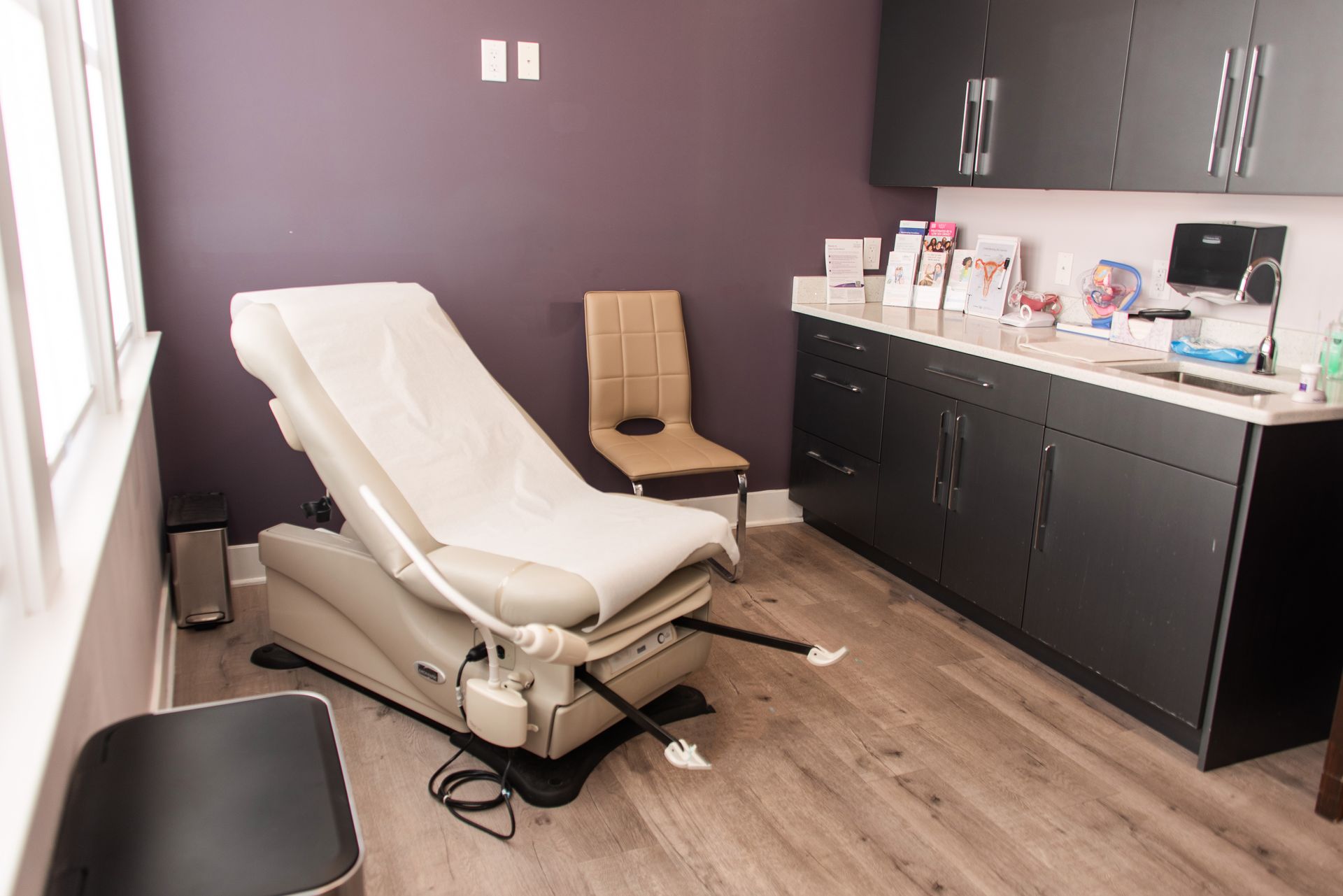
The procedure is done in a private procedure room. Your provider talks you through each step. Mild cramping is the most common sensation.
-
After
You go home the same day. Any biopsy results are reviewed with you, along with a clear plan for next steps.
Frequently asked questions
Do in-office procedures hurt?
Most patients describe cramping or pressure similar to a period. Discomfort is brief. MonaLisa Touch® is typically described as a mild vibration or warmth.
Can I drive myself home?
Yes. These procedures do not require general anesthesia, so most patients drive themselves and return to normal activity quickly.
Should I schedule around my period?
For hysteroscopy and colposcopy, the best time is usually shortly after your period ends. Our team will help you choose the right date when you book.
Are these procedures covered by insurance?
Hysteroscopy and colposcopy are diagnostic procedures and are usually covered when medically indicated. MonaLisa Touch® is often not covered. See Insurance & Billing or call us to check your plan.
Have a symptom or an abnormal result?
Book a consultation with Dr. Hema Jonnalagadda, MD in Plymouth Meeting.