Nutrition and Exercise During Perimenopause and Menopause

Evidence-Based Strategies for Better Health at Every Stage

Published by Advocare Montgomery Gynecology  | Medically Reviewed Content

If you have noticed that your body seems to be changing faster than your lifestyle has, you are not imagining things. Perimenopause and menopause represent one of the most physiologically significant transitions in a woman's life, and the changes go far deeper than hot flashes and irregular periods. Shifts in estrogen, progesterone, and other hormones directly alter how your body stores fat, builds muscle, metabolizes carbohydrates, and maintains bone density.

The encouraging news: the right nutrition and exercise choices can dramatically buffer these effects. This guide brings together current evidence from the North American Menopause Society (NAMS), the American College of Obstetricians and Gynecologists (ACOG), the Endocrine Society, the National Institutes of Health (NIH), and the Centers for Disease Control and Prevention (CDC) into a single, practical resource. Whether you are in your early 40s noticing the first changes or well into postmenopause, what follows is designed to help you feel stronger, leaner, and more energized.


How Hormonal Changes Affect Your Metabolism

To understand why nutrition during perimenopause and menopause matters so much, you first need to understand what is happening hormonally. Perimenopause, the transitional phase that typically begins in the mid-to-late 40s and lasts four to ten years, is characterized by irregular and eventually declining estrogen production. Menopause is officially confirmed after twelve consecutive months without a menstrual period, with the average age of onset in the United States being 51.


Estrogen's metabolic role is enormous. It regulates insulin sensitivity, lipid metabolism, and body fat distribution. As estrogen declines, the body tends to redistribute fat from the hips and thighs (subcutaneous fat) toward the abdomen (visceral fat). This shift is clinically significant: visceral fat is metabolically active tissue that raises the risk of type 2 diabetes, cardiovascular disease, and metabolic syndrome.


Simultaneously, declining estrogen impairs insulin signaling, making cells less responsive to insulin. Research published in the journal Menopause and supported by the Endocrine Society shows that postmenopausal women have significantly higher fasting insulin levels and reduced glucose tolerance compared with premenopausal women of similar weight and activity levels.


 This is why even women who have not changed their eating habits often experience blood sugar fluctuations, energy crashes, and cravings during this period.


Progesterone decline adds another layer: it affects sleep quality, mood regulation, and fluid balance. Lower levels of both hormones also reduce muscle protein synthesis rates, meaning the body is less efficient at building and maintaining lean muscle mass, a condition that worsens the metabolic slowdown.


Key Hormonal Changes and Their Metabolic Effects


  • Estrogen decline: increases visceral fat storage, reduces insulin sensitivity
  • Progesterone decline: disrupts sleep, increases cortisol exposure
  • Reduced muscle protein synthesis: accelerates lean mass loss (sarcopenia)
  • Lower resting metabolic rate: calorie needs decrease by approximately 200-300 kcal/day

Bone turnover increases: bone resorption outpaces bone formation after menopause


Why Perimenopause Weight Gain Happens


Perimenopause weight gain is one of the most common concerns women bring to their gynecologists. Studies consistently show that women gain an average of 1.5 pounds per year during the menopausal transition, with total gains of five to ten pounds being common even in women who are maintaining their previous diet and exercise patterns.


Several mechanisms drive this. Resting metabolic rate (RMR) declines with age, particularly as lean muscle mass decreases. After age 40, women can lose three to five percent of muscle mass per decade without intervention. Because muscle is metabolically active tissue, losing it means the body burns fewer calories at rest. Combine this with the shift to visceral fat storage driven by declining estrogen, and the result is weight gain that feels disproportionate to any lifestyle change.


Poor sleep, which affects the vast majority of perimenopausal women due to night sweats and hormonal fluctuations, compounds the problem. The CDC and NIH both identify sleep deprivation as an independent driver of weight gain through its effects on ghrelin (the hunger hormone) and leptin (the satiety hormone). Women who sleep fewer than six hours consistently show higher ghrelin levels, greater appetite for calorie-dense foods, and reduced ability to make deliberate food choices.


Stress and elevated cortisol also play a role. Cortisol is catabolic, meaning it breaks down muscle tissue, and it promotes abdominal fat storage. The hormonal turbulence of perimenopause creates a physiological stress response even in the absence of external stressors.


Menopause Nutrition: Evidence-Based Dietary Strategies


Protein: Your Most Critical Macronutrient


Protein requirements increase meaningfully during and after the menopausal transition. The current Recommended Dietary Allowance (RDA) of 0.8 grams per kilogram of body weight per day was established for younger adults and is widely considered insufficient for perimenopausal and postmenopausal women by leading nutrition researchers.


The Endocrine Society and NIH-funded research support protein intakes of 1.2 to 1.6 grams per kilogram of body weight per day for women over 40 who are physically active. For a 140-pound woman (approximately 64 kg), this translates to roughly 77 to 102 grams of protein daily, a significant step up from the outdated RDA of 51 grams.


Why does this matter?


Adequate protein intake is the primary nutritional driver of muscle protein synthesis, which counteracts sarcopenia. It also supports satiety, stabilizes blood sugar levels by slowing gastric emptying, and preserves bone mineral density by improving calcium absorption and reducing bone resorption markers.


High-Quality Protein Sources to Prioritize


  • Eggs (6g per large egg, complete amino acid profile)
  • Salmon and fatty fish (22-25g per 3.5 oz serving, plus omega-3s)
  • Greek yogurt (15-20g per 6 oz serving, plus calcium and probiotics)
  • Chicken and turkey breast (25-30g per 3.5 oz serving)
  • Legumes: lentils, chickpeas, edamame (15-18g per cup, plus fiber)
  • Tofu and tempeh (15-20g per half cup, phytoestrogen-containing)
  • Cottage cheese (14g per half cup, high in leucine for muscle synthesis)


Fiber: The Underrated Menopause Ally


Fiber intake recommendations for women are 21 to 25 grams per day according to the Dietary Guidelines for Americans, yet studies show that most American women consume fewer than 15 grams daily. During menopause, adequate fiber intake becomes even more important for several reasons.


First, fiber improves glycemic control by slowing the absorption of glucose into the bloodstream, directly counteracting the insulin resistance that accompanies estrogen decline. A 2019 meta-analysis published in The Lancet found that high dietary fiber intake was associated with a 15 to 30 percent reduction in the risk of type 2 diabetes, cardiovascular disease, and all-cause mortality.


For menopausal women who are already at elevated metabolic risk, this effect is clinically meaningful.


Second, fiber supports a healthy gut microbiome, which emerging research suggests plays a role in estrogen metabolism.


The gut microbiome contains bacteria that produce an enzyme called beta-glucuronidase, which influences circulating estrogen levels. Disruptions to the microbiome have been linked to worsened menopausal symptoms.


Third, high-fiber diets reduce LDL cholesterol, support bowel regularity (which can be disrupted by hormonal changes), and promote satiety without adding significant calories.


Practical Fiber Targets


  • Goal: 25-35 grams of total fiber daily (include both soluble and insoluble sources)
  • Soluble fiber (oats, beans, apples, psyllium): lowers LDL cholesterol, improves glycemic control
  • Insoluble fiber (vegetables, whole grains, seeds): supports bowel regularity
  • Tip: Increase fiber intake gradually over 2-3 weeks to minimize bloating


Carbohydrate Management During Menopause


Carbohydrates are not the enemy during menopause, but carbohydrate quality matters significantly more than it did in earlier decades. Because insulin resistance is a near-universal consequence of estrogen decline, dietary choices that drive rapid blood sugar spikes create greater metabolic disruption than they would have in premenopausal years.


ACOG and the Endocrine Society both recommend emphasizing complex, low-glycemic carbohydrates that are paired with fiber, protein, or healthy fat to blunt the glycemic response. This approach supports steady energy levels, reduces cravings, and decreases the likelihood of reactive hypoglycemia, which is a common complaint of perimenopausal women that manifests as fatigue, irritability, and difficulty concentrating two to three hours after meals.


Refined carbohydrates including white bread, sugary beverages, pastries, and processed snack foods should be significantly reduced. These foods spike glucose rapidly, drive insulin secretion, and promote visceral fat accumulation, exactly the pattern that menopause physiology already makes more likely.


Research published in Menopause:


 The Journal of NAMS found that women following lower-glycemic dietary patterns experienced significantly fewer hot flashes and reported better mood stability than those consuming high-glycemic diets. The mechanism is thought to involve reduced cortisol spiking and better serotonin regulation.


Carbohydrate Quality Guide


  • Choose: Oats, quinoa, sweet potato, brown rice, legumes, fruit, non-starchy vegetables
  • Reduce: White bread, white rice, pastries, sugary cereals, fruit juice, soda
  • Pair strategy: Always pair carbohydrate-rich foods with protein or fat to lower glycemic response
  • Meal timing: Front-load carbohydrates earlier in the day when insulin sensitivity is naturally higher


Calcium and Vitamin D: Non-Negotiable for Bone Health


The NIH Office of Dietary Supplements recommends 1,200 mg of calcium daily for women over 51, up from 1,000 mg in younger years. Vitamin D requirements are 600 to 800 IU daily from dietary sources, though many clinicians recommend 1,500 to 2,000 IU for women with risk factors for deficiency or osteoporosis.


These two nutrients work synergistically. Calcium is the primary mineral component of bone, and vitamin D is essential for calcium absorption in the gut. Without adequate vitamin D, even a high-calcium diet will be inefficiently absorbed. NAMS guidelines state that dietary calcium is preferable to supplemental calcium when possible, as some research has associated high-dose calcium supplements with cardiovascular risk, whereas food-based calcium sources have not shown this association.


Daily Calcium and Vitamin D Targets


  • Women 51+: 1,200 mg calcium daily (aim for food-first; supplement if needed)
  • Vitamin D: 1,000-2,000 IU daily; ask your provider to test 25-OH vitamin D levels
  • Best food sources of calcium: dairy, fortified plant milks, sardines (with bones), tofu (made with calcium sulfate), kale, broccoli
  • Best food sources of Vitamin D: fatty fish, egg yolks, fortified dairy/plant milks, UV-exposed mushrooms


Phytoestrogens, Omega-3s, and Soy


Phytoestrogens are plant-derived compounds that weakly mimic estrogen in the body. Soy isoflavones are the most studied class. A meta-analysis published in Maturitas found that soy isoflavone supplementation reduced hot flash frequency by approximately 20 to 25 percent compared to placebo. NAMS considers soy isoflavones a reasonable option for women seeking non-hormonal relief from vasomotor symptoms.


Omega-3 fatty acids, particularly EPA and DHA found in fatty fish and algae-based supplements, support cardiovascular health, reduce systemic inflammation, and may improve mood and cognitive clarity during the menopausal transition. The American Heart Association recommends at least two servings of fatty fish per week for cardiovascular protection, guidance that carries particular relevance given that cardiovascular risk increases post-menopause.


Exercise During Menopause: What the Evidence Recommends

Strength Training: The Single Most Important Exercise Intervention

If there is one exercise recommendation that stands above all others for menopausal women, it is progressive resistance training. The evidence base is extensive and consistent. A 2022 systematic review published in the British Journal of Sports Medicine found that resistance training significantly reduced visceral fat, increased lean muscle mass, improved insulin sensitivity, and lowered markers of systemic inflammation in postmenopausal women, independent of hormonal therapy status.


NAMS, ACOG, and the Endocrine Society all include resistance training as a core recommendation for menopausal women for several reasons. Strength training directly stimulates muscle protein synthesis, counteracting the sarcopenia driven by estrogen loss. It also applies mechanical stress to bones, which stimulates osteoblast activity and increases bone mineral density, reducing fracture risk. Additionally, greater muscle mass raises resting metabolic rate, partially offsetting the metabolic slowdown of menopause.


Research from the NIH-funded Women's Health Initiative found that women who engaged in regular strength training had significantly lower rates of osteoporotic fracture, even when bone density remained below average. The functional strength gained through resistance training also reduces fall risk, which is the primary proximate cause of fracture-related morbidity in older women.


Strength Training Recommendations (NAMS / ACOG)


  • Frequency: 2-3 sessions per week, with at least 48 hours of rest between sessions targeting the same muscle groups
  • Exercises: Compound movements (squats, deadlifts, rows, presses, lunges) prioritized over isolation exercises
  • Progression: Gradually increase resistance over time; aim to complete the last 2 reps of each set with effort
  • Beginners: Start with bodyweight or resistance bands; work with a certified trainer if possible for form guidance
  • Sets and reps: 2-4 sets of 8-12 reps per exercise is a well-supported range for muscle building in this population


Cardiovascular Exercise: Heart, Metabolism, and Mood


Cardiovascular disease becomes the leading cause of death in women after menopause, surpassing all cancers combined. The CDC and American Heart Association both recommend at least 150 minutes of moderate-intensity aerobic exercise or 75 minutes of vigorous-intensity aerobic exercise per week, guidelines that are specifically relevant for menopausal women given their elevated cardiovascular risk.


Beyond cardiovascular protection, aerobic exercise during menopause reduces hot flash severity and frequency (evidence suggests a dose-response relationship), improves sleep quality, reduces depression and anxiety symptoms, and supports cognitive function.


A study published in Menopause found that women who exercised aerobically at least four times per week reported 49 percent fewer severe hot flashes compared to sedentary women.

HIIT (High-Intensity Interval Training) is increasingly studied in this population.


A 2020 randomized controlled trial found that menopausal women assigned to HIIT achieved greater improvements in insulin sensitivity, body composition, and cardiovascular fitness than those assigned to continuous moderate exercise, in less total weekly exercise time.


However, HIIT should be introduced gradually and is not appropriate for women with certain cardiovascular conditions; consultation with a physician is recommended.


Bone Health and Osteoporosis Prevention Through Exercise


The NIH estimates that approximately ten million Americans have osteoporosis and 44 million have low bone density (osteopenia), with postmenopausal women accounting for the vast majority. In the first five to seven years after menopause, women can lose up to 20 percent of their bone density due to estrogen withdrawal.


Weight-bearing exercises, those in which your body works against gravity, are the most potent non-pharmacological stimulators of bone formation. This includes walking, jogging, dancing, hiking, stair climbing, and all forms of resistance training. ACOG and NAMS both emphasize that swimming and cycling, while excellent for cardiovascular health, do not provide meaningful bone-loading stimulus and should be supplemented with weight-bearing activity for women concerned about bone health.


Balance and coordination exercises, including yoga, tai chi, and single-leg exercises, reduce fall risk by improving proprioception and neuromuscular control. Given that a hip fracture in an older woman carries a one-year mortality rate of 20 to 30 percent (NIH data), fall prevention is as important as bone density itself.


Sleep and Stress Management: The Often-Overlooked Pillars

No discussion of menopause nutrition and exercise is complete without addressing sleep and stress, because both directly undermine every other strategy you implement.

Sleep disturbance affects 40 to 60 percent of perimenopausal and postmenopausal women, driven by night sweats, anxiety, and progesterone withdrawal.


Poor sleep increases cortisol, disrupts hunger hormones, impairs insulin sensitivity, reduces motivation to exercise, and worsens mood. The CDC identifies sleep deprivation as a public health crisis, and this is particularly relevant for menopausal women.


Strategies with strong evidence for improving sleep in this population include: maintaining a consistent sleep and wake schedule seven days per week; keeping the bedroom cool (between 65 and 68 degrees Fahrenheit); eliminating screens at least 60 minutes before bedtime; limiting caffeine after noon; and treating underlying sleep apnea, which becomes significantly more prevalent after menopause.


Chronic stress elevates cortisol, which directly promotes abdominal fat storage, degrades sleep quality, and reduces the effectiveness of exercise for weight management. Mind-body practices with the strongest research support include mindfulness-based stress reduction (MBSR), yoga, and diaphragmatic breathing. A meta-analysis in Maturitas found that yoga specifically reduced hot flash severity, anxiety, and sleep disturbance in menopausal women, with effect sizes comparable to some pharmacological interventions.


Sleep Optimization Protocol


  • Consistency: Same wake time every day anchors your circadian rhythm
  • Environment: Cool, dark, quiet room; consider a cooling mattress pad if night sweats are disruptive
  • Screen hygiene: No phones, tablets, or TV for 60 minutes before bed; blue light suppresses melatonin
  • Magnesium glycinate: 200-400 mg at bedtime has modest evidence for improving sleep quality and reducing muscle cramps
  • Alcohol: Reduces sleep quality significantly even in small amounts; avoid within 3 hours of bedtime
  • Ask your provider: If sleep disruption is severe, evaluate for sleep apnea (underdiagnosed in women) and discuss non-hormonal or hormonal treatment options


Sample Daily Meal Plan for

Menopause Nutrition


The following meal plan is designed to deliver approximately 1,600 to 1,800 calories, 100 to 120 grams of protein, 30 grams of fiber, and 1,200 mg of calcium. It is a template, not a prescription. Calorie needs vary significantly based on body size, activity level, and individual metabolic rate.


Meal What to Eat and Why
Breakfast(7:00 AM) Greek yogurt parfait: 1 cup plain Greek yogurt (15-18g protein, 200mg calcium) + 1/2 cup mixed berries (antioxidants, fiber) + 2 tbsp ground flaxseed (omega-3s, phytoestrogens, 4g fiber) + 1/4 cup low-sugar granola. Coffee or green tea.
Mid-Morning Snack(10:00 AM) 1 medium apple + 2 tbsp almond butter (5g protein, fiber, healthy fat to stabilize blood sugar). Alternatively, a small handful of edamame (9g protein, phytoestrogens).
Lunch(12:30 PM) Large leafy green salad: 2 cups spinach/arugula + 4 oz grilled salmon (22g protein, omega-3s) + 1/2 cup chickpeas (fiber, plant protein) + 1/4 avocado (healthy fat) + 1/4 cup cherry tomatoes + 2 tbsp olive oil and lemon dressing. Side: 1 slice whole grain sourdough.
Afternoon Snack(3:30 PM) Cottage cheese and vegetable cup: 1/2 cup low-fat cottage cheese (14g protein, calcium) + sliced cucumber, bell pepper, and cherry tomatoes. Or a hard-boiled egg + a small orange.
Dinner(6:30 PM) 4 oz roasted chicken breast or tofu (25g protein) + 1/2 cup cooked quinoa (4g protein, complete amino acids) + 2 cups roasted non-starchy vegetables (broccoli, cauliflower, zucchini, Brussels sprouts) with 1 tbsp olive oil + 1/2 cup cooked lentils on the side (fiber, iron, plant protein).
Evening Option(if hungry) Warm golden milk: 1 cup fortified unsweetened plant milk (300mg calcium) + 1/2 tsp turmeric + pinch black pepper + cinnamon. Anti-inflammatory, supports sleep, no blood sugar spike.

Sample Weekly Exercise Plan for Menopause


This plan is structured to meet ACOG and CDC guidelines for aerobic activity (150+ minutes/week moderate intensity) and NAMS/Endocrine Society recommendations for resistance training (2-3x/week). Adjust intensity based on your fitness level and any underlying health conditions. Always consult your physician before beginning a new exercise program.


Day Exercise Type Details
Monday Strength Training (Full Body 45-60 min. Squats, deadlifts, dumbbell rows, overhead press, lunges, plank. 3 sets of 10-12 reps each. Focus on form over load.
Tuesday Moderate Cardio 30-45 min brisk walking, cycling, or low-impact aerobics. Target 60-70% of max heart rate. Great for mood and cardiovascular health.
Wednesday Strength Training (Lower Body Focus) 45 min. Romanian deadlifts, hip thrusts, goblet squats, calf raises, side-lying hip abductions. Bone-loading priority.
Thursday Yoga or Active Recovery 45-60 min yoga (particularly restorative or vinyasa styles). Reduces cortisol, improves flexibility, supports sleep and hot flash reduction
Friday Strength Training (Upper Body + Core) 45 min. Push-ups, lat pulldown, seated rows, bicep curls, tricep dips, dead bug core exercise, bird dog. 3 sets of 10-12 reps.
Saturday Vigorous Cardio or HIIT 30-45 min. Hiking, swimming laps, dance cardio, cycling intervals, or beginner HIIT circuits. Higher intensity for metabolic benefit
Sunday Rest or Gentle Movement 20-30 min slow walk, stretching, foam rolling, or tai chi. Prioritize recovery and sleep preparation. This is productive rest, not wasted time.

Frequently Asked Questions


  • How many calories should I eat during menopause?

    There is no single answer, as calorie needs are highly individual. However, most women's resting metabolic rate decreases by 200 to 300 calories per day during the menopausal transition due to muscle loss and hormonal changes. Rather than counting calories strictly, focus on protein adequacy (1.2 to 1.6g/kg/day), fiber richness (25+ grams daily), and carbohydrate quality. These three levers tend to regulate total intake naturally while supporting body composition and metabolic health.


  • Is intermittent fasting safe and effective during menopause?

    Time-restricted eating (typically a 16:8 or 14:10 eating window) has emerging evidence in perimenopausal and postmenopausal women, with some studies showing modest improvements in insulin sensitivity and body composition. However, prolonged fasting can worsen cortisol dysregulation and disrupt sleep, two issues already common in this population. If you try intermittent fasting, a 12 to 14 hour overnight fast is a gentler starting point than aggressive restriction. Always ensure you are meeting your protein targets within your eating window, and discuss with your physician if you have a history of disordered eating or hypoglycemia.


  • Will soy foods worsen my hormonal symptoms or increase cancer risk?

    Current evidence, including a comprehensive review by NAMS, does not support the concern that soy foods increase breast cancer risk in most women, and may be protective. The phytoestrogens in soy are weak estrogen modulators, not equivalent to endogenous estrogen. Whole soy foods such as tofu, edamame, tempeh, and miso are associated with modest reductions in hot flash severity. Women with hormone-receptor-positive breast cancer should discuss soy intake with their oncologist, as guidance in that specific population may differ.


  • I am already at a healthy weight. Do I still need to worry about nutrition and exercise?

    Yes. Weight is only one marker of metabolic health, and menopause can alter body composition and cardiometabolic risk even in women who remain weight-stable. Visceral fat can accumulate even when the number on the scale does not change, and bone density loss, insulin resistance, and cardiovascular risk increase regardless of weight. The nutrition and exercise strategies in this guide address all of these dimensions, not just weight management.


  • What supplements are worth considering during menopause?

    Evidence-supported supplements for this life stage include: Calcium (if dietary intake is below 1,200 mg), Vitamin D3 (1,000 to 2,000 IU, guided by blood levels), Magnesium glycinate (for sleep and muscle function), Omega-3 fatty acids if fish consumption is low, and Soy isoflavones for women with vasomotor symptoms who prefer non-hormonal options. Supplement the gaps in your diet; do not replace food quality with pills. Always discuss supplements with your healthcare provider, as some interact with medications or are inappropriate for certain medical histories.


  • Can exercise alone manage menopausal weight gain without changing my diet?

    Exercise is powerful, but research consistently shows that diet and exercise together produce significantly better outcomes than either alone for body composition, metabolic health, and symptom management. Exercise cannot fully compensate for a diet high in refined carbohydrates and low in protein. The combination of adequate protein, fiber-rich whole foods, and regular strength training plus cardio is the most effective evidence-based strategy available outside of hormone therapy.


  • Should I consider hormone therapy (HRT/MHT)?

    Menopausal hormone therapy (MHT) remains the most effective treatment for vasomotor symptoms and also protects bone density and cardiovascular health in appropriate candidates when initiated within ten years of menopause onset. Nutrition and exercise are powerful complements to, but not replacements for, hormone therapy in women who are appropriate candidates. The decision to use MHT is individualized and should be made in partnership with your gynecologist based on your symptom burden, health history, and personal preferences. Advocare Montgomery Gynecology offers comprehensive menopause consultations to evaluate your options.


References and Clinical Sources

This article was developed using evidence from peer-reviewed literature and clinical guidelines from the following organizations and publications. Women seeking individualized guidance should consult a qualified healthcare provider.


  • North American Menopause Society (NAMS). The Menopause Society Position Statement on Nonhormonal Management of Menopause-Associated Vasomotor Symptoms. Menopause. 2023.
  • American College of Obstetricians and Gynecologists (ACOG). Committee Opinion No. 734: The Role of Obstetrician-Gynecologists in the Initial Evaluation and Referral of Women for Exercise and Nutrition Counseling. ACOG. 2018.
  • Endocrine Society. Postmenopausal Hormone Therapy: An Endocrine Society Scientific Statement. Journal of Clinical Endocrinology & Metabolism. 2022.
  • National Institutes of Health (NIH). Calcium Fact Sheet for Health Professionals. NIH Office of Dietary Supplements. Updated 2022.
  • National Institutes of Health (NIH). Vitamin D Fact Sheet for Health Professionals. NIH Office of Dietary Supplements. Updated 2023.
  • Centers for Disease Control and Prevention (CDC). Physical Activity Guidelines for Americans, 2nd Edition. U.S. Department of Health and Human Services. 2018.
  • Reynolds A, et al. Carbohydrate quality and human health: a series of systematic reviews and meta-analyses. The Lancet. 2019;393(10170):434-445.
  • Caan B, et al. Soy foods, isoflavones, and the health of postmenopausal women. The American Journal of Clinical Nutrition. 2021.
  • Stachowiak G, et al. Metabolic disorders in menopause. Menopause Review. 2015;14(1):59-64.
  • Berin E, et al. Resistance training for hot flushes in postmenopausal women: A randomized controlled trial. Maturitas. 2019;126:55-60.
  • Greendale GA, et al. Changes in body composition and weight during the menopause transition. Journal of Clinical Endocrinology & Metabolism. 2019.
  • Sipila S, et al. Muscle and bone mass in middle-aged women: relationship to hormonal and lifestyle factors. Journal of Bone and Mineral Research. 2020.
  • Daley AJ, et al. Exercise for vasomotor menopausal symptoms: systematic review. BJOG: An International Journal of Obstetrics & Gynaecology. 2015.
  • NIH Office of Research on Women's Health. Women's Health Initiative: Key Findings on Bone Health and Exercise. Updated 2021.
  • Backstrom T, et al. The role of hormones and hormonal treatments in premenstrual syndrome. CNS Drugs. 2021.


Advocare Montgomery Gynecology

This content is for educational purposes only and does not constitute medical advice.

Please consult your healthcare provider for guidance specific to your health history and individual needs.


Hormone replacement therapy consultation and menopause treatment planning based on the latest 2026 m
By Hema Jonnalagadda May 30, 2026
Explore the latest hormone replacement therapy guidelines in 2026, including benefits, risks, safety updates, and menopause symptom relief.
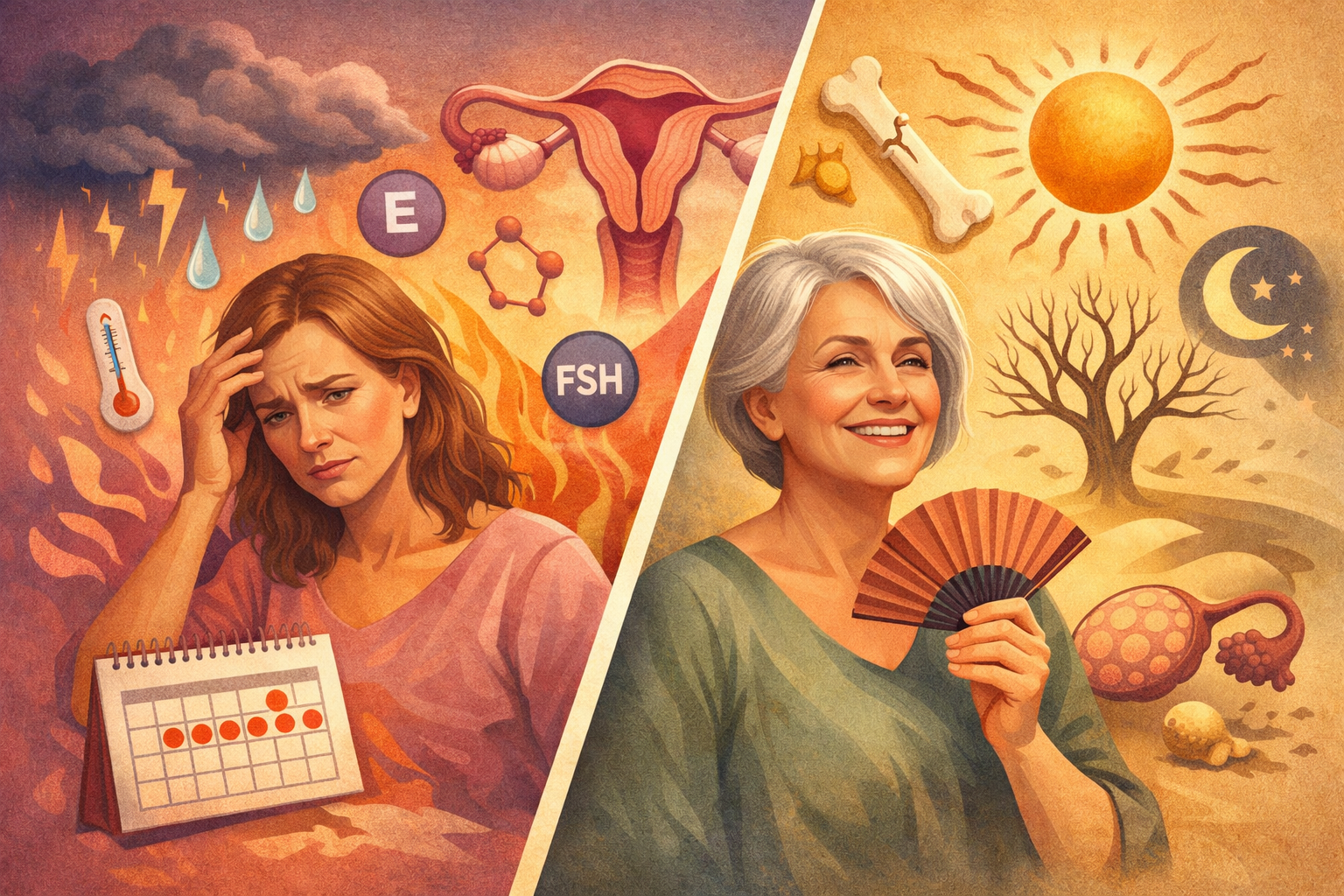
Clinical diagram showing estradiol and FSH hormone changes across
perimenopause and menopause stages
By Hema Jonnalagadda April 5, 2026
Learn the clinical difference between perimenopause and menopause, latest FDA hormone therapy updates, symptoms, diagnosis & treatment. Reviewed by Dr. Hema Jonnalagadda, FACOG.
By Hema Jonnalagadda May 13, 2025
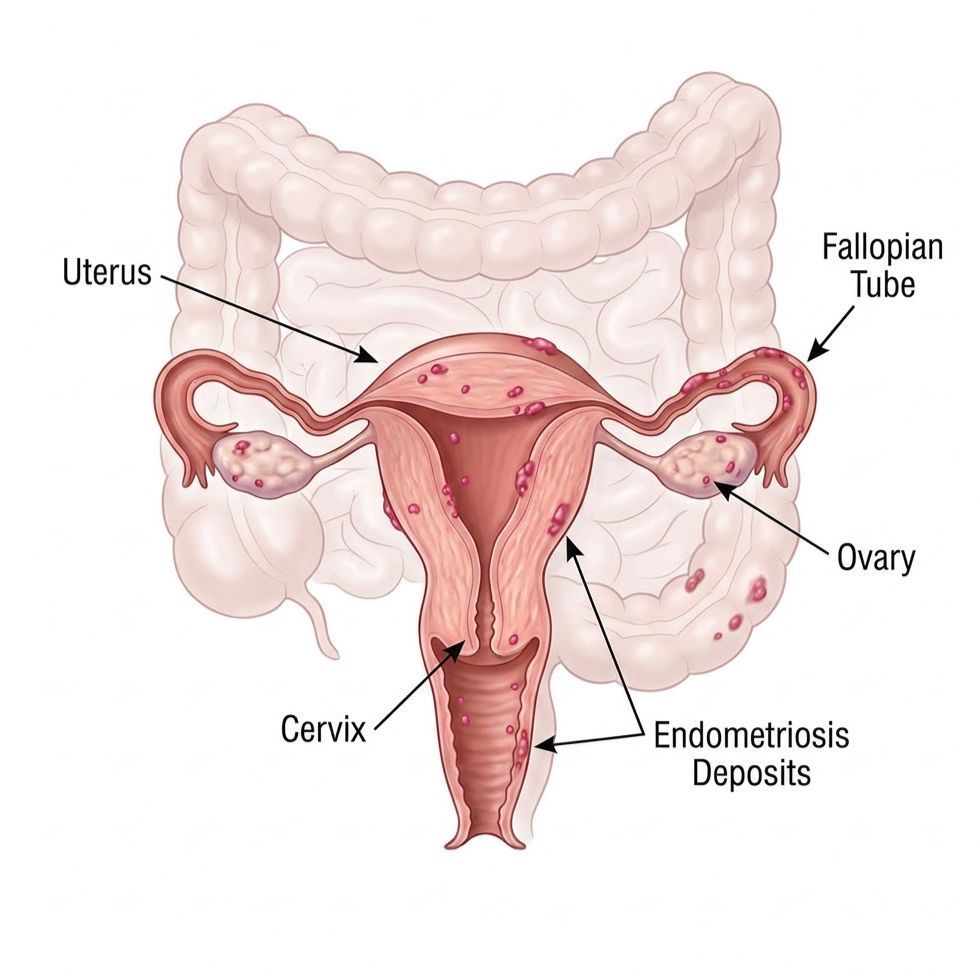
May is Pelvic Health Awareness Month , a time to shine a light on the vital role the pelvis and pelvic floor play in women’s overall well-being. Pelvic health involves taking care of the muscles and organs in the lower belly so they function properly and feel good. Yet many women don’t realize how important pelvic health is until problems arise. In fact, about one in three women will experience a pelvic health condition at some point in their lives, and these conditions can significantly impact daily comfort and quality of life. This month (and every month), we aim to raise awareness, educate, and encourage open conversation about pelvic health Common Pelvic Health Concerns Women’s pelvic health can be affected by several common conditions. Here is a brief overview: ● Pelvic Organ Prolapse : This occurs when the muscles and tissues that support pelvic organs (like the uterus, bladder, or rectum) weaken or loosen. As a result, an organ can “drop” or press into the vaginal canal. Women with prolapse may feel a bulge or heaviness in the pelvis, especially during activities or lifting, and sometimes experience bladder or bowel changes. Many women are embarrassed to discuss these symptoms, but prolapse is treatable with options like pelvic floor therapy, pessary devices, or surgery ● Urinary Incontinence: Incontinence is the involuntary leakage of urine, ranging from occasional drips (for example, when coughing or sneezing) to a sudden strong urge that can’t be controlled. It affects about one in three women worldwide, often related to pregnancy, childbirth, or menopause. Importantly, urinary incontinence is not a normal part of aging and is treatable Treatments include pelvic floor muscle exercises and other therapies. Early help can prevent it from seriously affecting daily life. ● Endometriosis: Endometriosis happens when tissue like the uterine lining grows outside the uterus, on ovaries, fallopian tubes, or other pelvic sites This condition affects roughly 10% of women of reproductive ageIt often causes severe pelvic pain (especially with periods or intercourse), heavy menstrual bleeding, and sometimes infertility Endometriosis can lead to chronic inflammation, scar tissue, and painful adhesions, so early diagnosis and management are crucial. ● Chronic Pelvic Pain: Chronic pelvic pain is ongoing, non-cyclic pain in the pelvis lasting six months or longer. It can have many causes (or even none clearly identified) and often coexists with other issues like endometriosis, irritable bowel syndrome, or interstitial cystitis Studies estimate that 6–27% of women worldwide suffer from chronic pelvic pain. Because it can be complex, successful management usually involves a multidisciplinary approach (medication, therapy, physical therapy, etc.) tailored to each woman. ● Uterine Fibroids: Fibroids are benign (non-cancerous) tumors that grow in the wall of the uterusThey are very common – up to 80% of women have fibroids by menopause – though many have no symptoms. When fibroids do cause problems, women may experience heavy menstrual bleeding, pelvic pain or pressure. Large fibroids can press on the bladder or bowel, leading to urinary frequency or constipationTreatments range from medication to minimally invasive procedures, depending on symptoms and goals. Each of the above issues is common in women’s health and highlights why paying attention to pelvic symptoms is so important. Future posts in this series will explore these topics in depth, but first it’s key to recognize them and know that effective care is available. Early Detection and Open Conversation Early diagnosis and regular gynecologic care are vital for pelvic health. Women’s health providers are trained to evaluate pelvic concerns. During a routine exam, your provider can check for issues or recommend tests (like pelvic ultrasound) and treatments (such as pelvic floor physical therapy) if needed If you notice any changes – for example, new pelvic pain, unusual pressure, or bladder/bowel leaks – do not hesitate to mention them. Many women feel embarrassed to bring up pelvic symptoms or think they are “just normal,” but that silence can delay help Remember that urinary incontinence and pelvic pressure are not “normal” parts of aging, and there is nothing shameful about seeking help. Talking openly with your doctor can lead to earlier, less invasive treatments. In fact, learning about the pelvic floor can help you spot problems early. Being informed makes you an active partner in your care. Regular checkups also allow your provider to address other aspects of pelvic health (for example, discussing pelvic floor exercises, lifestyle changes, or preventive screenings). In short, don’t wait to speak up – early action can make pelvic conditions much easier to manage. Ready to Take the Next Step? Dr. Hema Jonnalagadda and the team at Advocare Montgomery Gynecology are committed to providing compassionate, expert care for all aspects of women’s pelvic health. If you’re experiencing symptoms or simply want to stay proactive, we’re here to help. 👉 Visit our practice page to learn more or book an appointment today. Your pelvic health matters—and you don’t have to navigate it alone.
By Hema Jonnalagadda April 27, 2025
Menopause is a transformative phase in a woman’s life, marked by profound hormonal changes that affect nearly every system in the body. While often discussed in general terms, its complexities require a more advanced understanding, especially for those experiencing disruptive symptoms or seeking expert care. As a menopause specialist, Dr. Hema Jonnalagadda, M.D., at Advocare Montgomery Gynecology, provides cutting-edge, personalized treatment options to help women navigate this transition with confidence and optimal health. Understanding Menopause at a Deeper Level Menopause officially begins when a woman has gone 12 consecutive months without a menstrual period, typically occurring between ages 45 and 55. However, the biological shifts start years earlier during perimenopause, a phase characterized by erratic hormone fluctuations, particularly in estrogen and progesterone. The Endocrinology of Menopause Estrogen, a key hormone for reproductive health, also regulates cardiovascular, cognitive, and skeletal systems. As ovarian function declines, so does estrogen production, leading to widespread physiological changes: Cardiovascular: Increased risk of hypertension, atherosclerosis, and altered lipid profiles. Cognitive: Brain fog, memory challenges, and potential links to neurodegenerative diseases. Skeletal: Accelerated bone loss leading to osteopenia or osteoporosis. Metabolic: Insulin resistance, changes in fat distribution, and increased risk of type 2 diabetes. Symptoms Beyond Hot Flashes While vasomotor symptoms (hot flashes and night sweats) are commonly discussed, menopause presents an array of other challenges: Genitourinary Syndrome of Menopause (GSM): Vaginal atrophy, dryness, painful intercourse, and increased UTIs. Sleep Disturbances: Declining melatonin and progesterone levels affect sleep architecture. Mood & Mental Health: Fluctuating neurotransmitter activity can increase susceptibility to depression and anxiety. Joint & Muscle Pain: Estrogen’s anti-inflammatory role means that its decline can exacerbate musculoskeletal pain. Hair & Skin Changes: Collagen loss results in skin thinning, dryness, and increased wrinkling. Advanced Treatment Options Addressing menopause requires a multifaceted approach, combining medical expertise, lifestyle modifications, and innovative therapies tailored to each patient. Hormone Replacement Therapy (HRT) HRT remains the gold standard for managing moderate to severe menopausal symptoms. However, not all formulations are equal. Dr. Jonnalagadda customizes HRT based on: Bioidentical vs. Synthetic Hormones: Assessing patient suitability for bioidentical estrogen and progesterone. Route of Administration: Pills, patches, gels, and vaginal preparations tailored to individual needs. Risk Stratification: Evaluating personal and family history for cardiovascular disease, breast cancer, and thrombotic risk. Non-Hormonal Therapies For women who cannot or choose not to take HRT, effective alternatives include: Selective Estrogen Receptor Modulators (SERMs): Addressing bone density and vasomotor symptoms. Antidepressants (SSRIs/SNRIs): Mitigating mood disturbances and hot flashes. Neurokinin 3 Receptor Antagonists: Newer options targeting hot flashes via central nervous system pathways. Vaginal Estrogen & DHEA: Localized treatments for GSM without systemic effects. Cutting-Edge Therapies & Integrative Medicine Low-Dose Laser Therapy (MonaLisa Touch): Enhancing vaginal health by stimulating collagen regeneration. Nutraceuticals: Phytoestrogens (soy, flaxseed), omega-3 fatty acids, and vitamin D for bone and heart health. Lifestyle Optimization: Personalized nutrition, intermittent fasting, strength training, and sleep optimization strategies. When to Seek Expert Care Menopause is highly individualized, and unmanaged symptoms can severely impact quality of life. Dr. Jonnalagadda specializes in evidence-based, patient-centered care, ensuring that women receive the best possible guidance and treatment. You Should Consult a Menopause Specialist If You: Experience persistent or debilitating symptoms affecting daily life. Have a history of early menopause, surgical menopause, or complex hormonal conditions. Are concerned about osteoporosis, heart disease, or cognitive decline. Need guidance on safe, effective treatment options tailored to your medical history. Take Control of Your Menopause Journey Menopause doesn’t have to mean discomfort or diminished well-being. With the right expertise, women can thrive during this phase. If you're struggling with symptoms or want proactive care, schedule a consultation with Dr. Hema Jonnalagadda at Advocare Montgomery Gynecology today. Let’s work together to create a personalized plan for your health and longevity.
By Hema Jonnalagadda April 27, 2025
Understanding a Normal Menstrual Cycle A healthy menstrual cycle typically lasts between 21 and 35 days, with bleeding occurring for 3 to 7 days. The amount of blood loss is usually between 30–80 mL per cycle. A normal period should: ● Be fairly predictable each month. ● Not be excessively heavy or painful. ● Not interfere with daily activities. When bleeding patterns change—becoming too frequent, too heavy, or happening outside of your usual cycle—it may be time to seek medical advice. When Bleeding Becomes a Concern Abnormal uterine bleeding (AUB) refers to any bleeding that is outside of the normal menstrual pattern. It can be due to structural issues, hormonal imbalances, or other medical conditions. The PALM-COEIN classification system helps doctors determine the cause: Common Causes of Abnormal Bleeding Structural Causes (PALM) Polyps: Small tissue growths in the uterus or cervix that can cause irregular bleeding. Adenomyosis: When the uterine lining grows into the muscle, leading to heavy and painful periods. Fibroids: Non-cancerous growths in the uterus that can increase bleeding. Endometrial Hyperplasia or Cancer: Abnormal thickening of the uterine lining, which may cause postmenopausal bleeding Non-Structural Causes (COEIN) Hormonal Imbalances (Ovulatory Dysfunction): Conditions like PCOS, thyroid disorders, or perimenopause can lead to irregular cycles. Blood Clotting Disorders: Conditions such as von Willebrand disease may cause excessive menstrual bleeding. Medications: Certain birth control methods, anticoagulants, and hormone therapy can impact bleeding patterns. Other Causes: Sometimes, the exact cause remains unknown but can still be managed effectively. Types of Abnormal Bleeding Heavy Periods (Menorrhagia) Bleeding that lasts longer than 7 days or soaks through multiple pads/tampons per hour. Common causes: Fibroids, adenomyosis, blood clotting disorders. Irregular or Unpredictable Bleeding Bleeding between periods (Metrorrhagia) or very light, inconsistent cycles (Oligomenorrhea). Common causes: Hormonal imbalances, polyps, perimenopause. Bleeding After Menopause Any bleeding after 12 months of no periods is considered abnormal. Requires immediate evaluation for possible underlying conditions, including cancer. Diagnosis: What to Expect at Your Doctor’s Visit To determine the cause of abnormal bleeding, your doctor may recommend: Blood tests to check hormone levels and rule out clotting disorders. Ultrasound to evaluate the uterus and ovaries. Endometrial biopsy to check for abnormal tissue growth. Hysteroscopy to directly examine the inside of the uterus. Treatment Options Treatment depends on the cause of the bleeding, your overall health, and whether you are planning future pregnancies. Options include: Medication-Based Treatments Hormonal Therapy: Birth control pills, IUDs, or progesterone therapy to regulate cycles. Tranexamic Acid & NSAIDs: Reduce heavy bleeding without hormones. Iron Supplements: Help prevent anemia due to heavy bleeding. Minimally Invasive Procedures Endometrial Ablation: A procedure to reduce or stop bleeding by thinning the uterine lining. Hysteroscopy: To remove polyps or fibroids inside the uterus. Uterine Artery Embolization: A non-surgical option to shrink fibroids. Surgical Options (If Needed) Myomectomy: Removes fibroids while preserving the uterus. Hysterectomy: A last-resort option for severe cases where other treatments fail. When to See a Specialist If you are experiencing any of the following, it’s time to schedule an appointment: Bleeding that lasts longer than a week or is unusually heavy. Bleeding between periods or after menopause. Severe cramping or pain that disrupts your daily activities. Signs of anemia, such as fatigue, dizziness, or shortness of breath. Take Control of Your Health Abnormal bleeding doesn’t have to control your life. Dr. Hema Jonnalagadda, M.D., at Advocare Montgomery Gynecology, is dedicated to providing expert, personalized care to help you find relief. If you have concerns about your menstrual health, don’t wait—schedule a consultation today to get answers and the best treatment options available.
By Hema Jonnalagadda November 12, 2024
Long-Term Reversible Contraception: A Comprehensive Guide for All Stages of Reproductive Health
By Hema Jonnalagadda November 12, 2024
Understanding Vulvodynia: A Comprehensive Guide to Chronic Vulvar Pain
By Hema Jonnalagadda November 9, 2024
Hormone Replacement Therapy (HRT): Why Trusting FDA-Approved Solutions with Dr. Hema Jonnalagadda at Advocare Montgomery Gynecology is Essential
Bleeding Menstrual: What is Normal and What is Abnormal
By Hema Jonnalagadda August 3, 2024
Menstrual bleeding, or menstruation, is a complex physiological process that involves the shedding of the endometrial lining of the uterus. This guide, formulated with insights from Dr. Hema Jonnalagadda, aims to provide an exhaustive, scientifically detailed overview of normal and abnormal menstrual bleeding. This resource will address every aspect of menstrual health, offering comprehensive knowledge to clarify all potential queries.
By Hema Jonnalagadda March 6, 2024
Explore the essentials of adolescent gynecology with Dr. Hema Jonnalagadda. Learn about the care and support offered at Advocare Montgomery Gynecology for young women's health.